Measuring ROI from Business Intelligence Investments
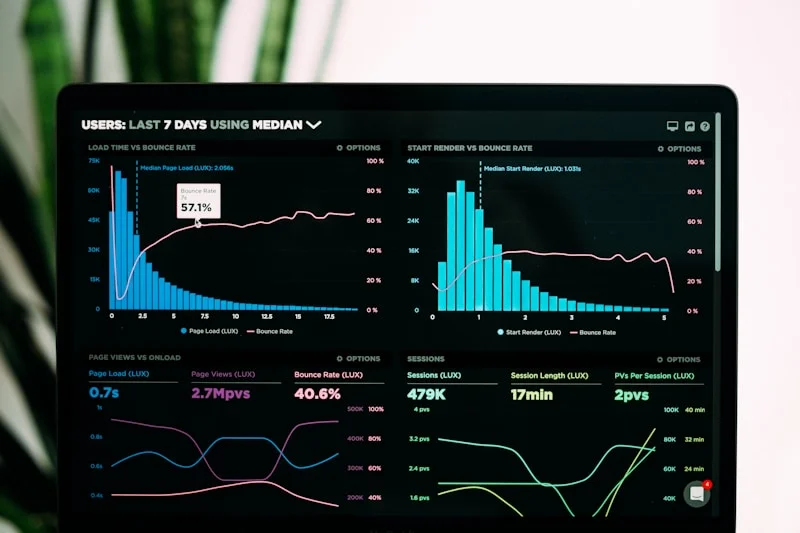
Calculate and maximize ROI from BI and analytics initiatives
Why Data-Driven Organizations Are Leading the Market
In today's competitive business landscape, organizations that harness the power of data analytics are outperforming their competitors significantly. Data-driven decision making has transformed from a competitive advantage into a business necessity across all industries.
Key Benefits of Data-Driven Culture
- Faster Decision Making: Real-time analytics enable executives to make informed decisions quickly
- Improved Operational Efficiency: Identify bottlenecks and optimize processes based on actual performance data
- Enhanced Customer Experience: Understand customer behavior patterns and personalize services
- Predictive Insights: Forecast trends and prepare strategies proactively
- Risk Mitigation: Identify potential risks before they become critical issues
Building a Data-Driven Culture: Essential Steps
1. Executive Leadership and Vision
Successful data transformation starts at the top. Leadership must clearly communicate the importance of data-driven decision making and allocate appropriate resources. This includes establishing data governance frameworks and appointing Chief Data Officers (CDOs) to oversee the initiative.
2. Invest in Modern Data Infrastructure
Organizations need robust infrastructure to collect, store, and process data effectively:
- Cloud Data Platforms: Scalable solutions like AWS, Azure, or Google Cloud
- Data Warehouses: Centralized repositories for structured data analysis
- Real-time Processing: Stream processing capabilities for immediate insights
- Data Integration Tools: ETL/ELT pipelines to consolidate data from multiple sources
3. Develop Data Literacy Across the Organization
Data literacy is crucial for widespread adoption. Implement comprehensive training programs that help employees at all levels understand how to:
- Read and interpret data visualizations
- Ask the right questions when analyzing data
- Understand basic statistical concepts
- Use self-service analytics tools effectively
4. Implement Self-Service Analytics Tools
Empower teams with user-friendly business intelligence tools such as:
- Tableau: Interactive data visualization and dashboarding
- Power BI: Microsoft's comprehensive analytics platform
- Looker: Modern data exploration and business intelligence
- Qlik Sense: Associative analytics and data discovery
Advanced Analytics and AI Integration
Machine Learning for Business Intelligence
Modern organizations are leveraging machine learning to extract deeper insights from their data. Key applications include:
- Customer Churn Prediction: Identify at-risk customers before they leave
- Demand Forecasting: Optimize inventory and resource allocation
- Fraud Detection: Real-time anomaly detection in transactions
- Recommendation Engines: Personalized product and content suggestions
- Sentiment Analysis: Understand customer feedback at scale
Natural Language Processing (NLP)
NLP technologies enable organizations to extract insights from unstructured text data, including customer reviews, social media posts, and internal documents. This helps in understanding sentiment, extracting key topics, and automating content categorization.
Data Governance and Quality Management
Establishing Data Governance Frameworks
Effective data governance ensures data quality, security, and compliance. Key components include:
- Data Quality Standards: Define accuracy, completeness, and consistency requirements
- Data Lineage Tracking: Understand data flow from source to consumption
- Access Controls: Role-based permissions to protect sensitive information
- Compliance Management: Ensure adherence to regulations like GDPR, CCPA
- Master Data Management: Maintain single source of truth for critical business entities
Data Security and Privacy
With increasing cyber threats and strict privacy regulations, organizations must implement robust security measures:
- Data encryption at rest and in transit
- Regular security audits and penetration testing
- Privacy by design principles in data architecture
- Transparent data usage policies for customers
Measuring Success: Key Performance Indicators
Business Impact Metrics
Track these KPIs to measure the success of your data-driven initiatives:
- Time to Insight: How quickly can teams access and analyze data?
- Data Adoption Rate: Percentage of employees actively using analytics tools
- Decision Quality: Improvement in outcomes from data-driven decisions
- Cost Savings: Operational efficiencies gained through analytics
- Revenue Growth: Business growth attributed to data insights
Technical Performance Metrics
- Data Quality Score: Accuracy and completeness of data
- System Availability: Uptime of analytics platforms
- Query Performance: Speed of data retrieval and analysis
- Data Coverage: Percentage of business processes with analytics
Real-World Success Stories
E-commerce Optimization
A leading online retailer implemented advanced analytics to optimize their product recommendations and inventory management. Results included:
- 35% increase in conversion rates through personalized recommendations
- 25% reduction in inventory costs with demand forecasting
- 40% improvement in customer satisfaction scores
Healthcare Analytics
A hospital network used predictive analytics to improve patient outcomes and operational efficiency:
- 20% reduction in readmission rates through risk stratification
- 30% improvement in resource utilization
- Significant cost savings in treatment protocols
Overcoming Common Challenges
Data Silos and Integration Issues
Many organizations struggle with data scattered across multiple systems. Solutions include:
- Implementing data integration platforms
- Creating data lakes for centralized storage
- Adopting API-first architecture for seamless connectivity
- Establishing cross-functional data teams
Resistance to Change
Cultural transformation requires addressing employee concerns:
- Clear communication about benefits and expectations
- Celebrating quick wins to build momentum
- Providing adequate training and support
- Involving employees in the transformation process
The Future of Data-Driven Organizations
Emerging Trends
Stay ahead by preparing for these upcoming developments:
- Augmented Analytics: AI-powered insights automated for business users
- DataOps: Agile methodologies applied to data management
- Edge Analytics: Processing data closer to the source for real-time decisions
- Quantum Computing: Revolutionary processing power for complex analytics
- Ethical AI: Responsible use of AI with transparency and fairness
Getting Started: Your Action Plan
90-Day Implementation Roadmap
- Days 1-30: Assessment and Planning
- Audit current data capabilities and infrastructure
- Identify key business use cases and priorities
- Form data governance committee
- Define success metrics and KPIs
- Days 31-60: Foundation Building
- Deploy core data infrastructure and tools
- Launch data literacy training programs
- Implement pilot projects with high-impact teams
- Establish data quality standards
- Days 61-90: Scale and Optimize
- Expand analytics capabilities across departments
- Refine processes based on pilot learnings
- Develop advanced analytics use cases
- Measure and communicate early successes
Conclusion: The Competitive Imperative
Transforming into a data-driven organization is no longer optional—it's essential for survival in the digital economy. Organizations that successfully build data-driven cultures will enjoy sustainable competitive advantages through faster decision-making, improved operational efficiency, and enhanced customer experiences.
The journey requires commitment from leadership, investment in technology and people, and a willingness to embrace cultural change. However, the rewards—increased revenue, reduced costs, and market leadership—make it one of the most valuable investments an organization can make.
Ready to start your data transformation journey? Contact KTNBS today for a consultation on building your data-driven organization. Our experts will help you assess your current capabilities, define a roadmap, and implement solutions tailored to your business needs.
Related articles: AI-Powered Content Generation | Cybersecurity Trends 2025 | Our IT Solutions
Share this article
Admin User
Content Author
Related Articles