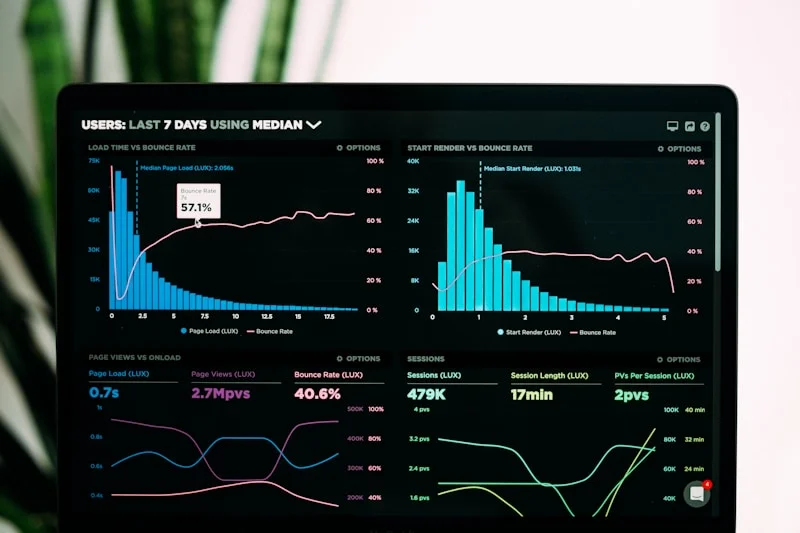
Transforming SMEs with AI: Sustainable Strategies for Digital Growth
Unlock the power of AI for your SME. This comprehensive guide explores practical AI strategies, Machine Learning applications, and digital transformation initiatives to enhance efficiency and foster sustainable business innovation.
Why AI is No Longer Optional for SMEs: The Digital Imperative
In an increasingly competitive global landscape, small and medium-sized enterprises (SMEs) face immense pressure to innovate, optimize operations, and maintain a competitive edge. The digital age has ushered in a new era where technological adoption is not merely an advantage but a fundamental necessity for survival and growth. Among these transformative technologies, Artificial Intelligence (AI) stands out as a powerful catalyst for **digital transformation**, offering unprecedented opportunities for **AI for SMEs** to streamline processes, enhance customer experiences, and unlock new revenue streams.
For many years, AI was perceived as a sophisticated tool reserved exclusively for large corporations with vast resources. However, advancements in cloud computing, open-source AI frameworks, and user-friendly platforms have democratized access to AI, making it highly accessible and cost-effective for SMEs. Ignoring AI today is akin to foregoing the internet in the 90s; it means falling behind. Embracing **AI for SMEs** is crucial for remaining agile, responding to market shifts, and future-proofing business models against unforeseen challenges. It's about leveraging data-driven insights to make smarter decisions, automating repetitive tasks to free up human capital, and fostering an environment of continuous **business innovation**. The imperative is clear: to thrive in the digital economy, SMEs must integrate AI into their core operations and strategic planning.
Practical AI Strategies for SMEs: Boosting Efficiency and Innovation
Integrating AI into an SME's operations doesn't require a complete overhaul; rather, it involves strategic adoption in specific areas where it can yield the most significant impact. The goal is to **boost business efficiency** and foster **business innovation** without incurring excessive costs or complexity. Here are several practical **AI strategies** that SMEs can implement:
- Enhanced Customer Service: AI-powered chatbots and virtual assistants can handle routine customer inquiries, provide instant support 24/7, and route complex issues to human agents. This significantly improves response times, reduces workload for customer service teams, and enhances overall customer satisfaction.
- Personalized Marketing and Sales: AI algorithms can analyze customer data to identify purchasing patterns, preferences, and predict future behavior. This allows SMEs to deliver highly personalized marketing campaigns, recommend relevant products or services, and optimize sales funnels for higher conversion rates.
- Optimized Operations and Workflow Automation: AI can automate repetitive administrative tasks such as data entry, scheduling, and report generation, freeing employees to focus on more strategic activities. In manufacturing, AI can optimize production lines, predict equipment failures, and improve quality control.
- Data Analysis and Predictive Insights: AI and **Machine Learning** tools can process vast amounts of data quickly, identifying trends, anomalies, and insights that human analysis might miss. This can inform inventory management, pricing strategies, demand forecasting, and risk assessment, leading to better decision-making.
- Talent Acquisition and Management: AI can assist in screening resumes, identifying qualified candidates, and even predicting job performance. For existing employees, AI can recommend personalized training programs to upskill the workforce, contributing to long-term growth and productivity.
By focusing on these areas, SMEs can leverage **AI for SMEs** to create tangible improvements, fostering a culture of innovation that drives sustainable growth.
Leveraging Machine Learning to Reduce SME Costs and Optimize Operations
**Machine Learning** (ML), a subset of AI, is particularly potent for SMEs looking to **reduce SME costs** and achieve operational excellence. ML algorithms learn from data without explicit programming, allowing systems to improve performance over time and adapt to changing conditions. This capability translates directly into cost savings and enhanced efficiency across various business functions.
Consider the following applications of **Machine Learning** for cost reduction and optimization:
- Inventory Management: ML models can analyze historical sales data, seasonal trends, and external factors (e.g., weather, economic forecasts) to predict demand with high accuracy. This enables SMEs to optimize inventory levels, minimizing overstocking (which ties up capital) and understocking (which leads to lost sales and customer dissatisfaction). The result is a significant reduction in carrying costs and improved cash flow.
- Supply Chain Optimization: ML can analyze complex supply chain data to identify bottlenecks, predict potential disruptions, and optimize logistics routes. By improving efficiency in procurement, warehousing, and distribution, SMEs can lower transportation costs, reduce waste, and enhance delivery reliability.
- Energy Consumption Reduction: For businesses with physical premises, ML can monitor and analyze energy usage patterns from HVAC systems, lighting, and machinery. By identifying inefficiencies and making real-time adjustments, ML can significantly **reduce SME costs** associated with energy consumption, contributing to both financial savings and environmental sustainability.
- Fraud Detection: ML algorithms can quickly identify unusual patterns in financial transactions or customer behavior that may indicate fraudulent activity. Early detection of fraud protects the business from financial losses and reputational damage.
- Predictive Maintenance: In manufacturing or equipment-heavy industries, ML can analyze sensor data from machinery to predict when components are likely to fail. This allows for proactive maintenance, preventing costly breakdowns, extending equipment lifespan, and minimizing downtime, which directly translates to cost savings and increased productivity.
These applications demonstrate how **Machine Learning** can serve as a powerful tool for SMEs to not only cut expenses but also to fine-tune their operations for maximum output and minimal waste, thereby strengthening their financial position and competitive standing.
Navigating Digital Transformation: A Step-by-Step AI Strategy for SMEs
Embarking on a journey of **digital transformation** with AI requires a well-defined **AI strategy** rather than a haphazard approach. SMEs, often constrained by resources and expertise, benefit immensely from a structured plan. Here's a step-by-step guide to help navigate this transformation successfully:
- Define Clear Objectives and Identify Pain Points: Before implementing any AI solution, understand what specific business challenges you aim to solve or what opportunities you want to seize. Do you want to **reduce SME costs** in a particular department? **Boost business efficiency** in sales? Enhance customer satisfaction? Clearly defined objectives will guide your AI initiatives.
- Assess Current Capabilities and Data Readiness: Evaluate your existing technological infrastructure, data quality, and team's AI literacy. AI thrives on data, so ensure your data is accessible, clean, and relevant. Identify any gaps in skills or technology that need addressing.
- Start Small with Pilot Projects: Instead of a large-scale deployment, begin with a manageable pilot project. Choose an area with a clear problem and achievable, measurable goals. This allows for learning, iteration, and demonstrating quick wins, building internal buy-in and confidence.
- Choose the Right AI Tools and Partners: Research AI solutions that are specifically designed for SMEs. Look for platforms that are user-friendly, scalable, and integrate well with your existing systems. Consider partnering with AI consultants or service providers who specialize in helping SMEs implement AI.
- Invest in Training and Upskilling: AI is a tool, but human expertise is essential for its effective deployment and management. Invest in training your employees to understand AI concepts, work with AI tools, and interpret AI-generated insights. This fosters an AI-ready workforce and drives sustained **business innovation**.
- Measure, Iterate, and Scale: Continuously monitor the performance of your AI solutions against your initial objectives. Gather feedback, make necessary adjustments, and iterate on your strategies. Once a pilot project demonstrates success, gradually scale up to other areas of the business, applying the lessons learned.
- Foster a Culture of Innovation: Encourage experimentation and a forward-thinking mindset within your organization. A successful AI strategy is not a one-time deployment but an ongoing commitment to leveraging technology for continuous improvement and sustainable growth.
By following these steps, SMEs can systematically integrate **AI for SMEs** into their operations, ensuring a smoother **digital transformation** and maximizing the return on their AI investments.
Sustainable Growth and Future-Proofing: The Long-Term Impact of AI for SMEs
The true value of integrating **AI for SMEs** extends far beyond immediate efficiency gains or cost reductions. It lays the groundwork for sustainable growth, resilience, and the ability to future-proof the business in an unpredictable market. By embedding AI into their core operations, SMEs cultivate an adaptive ecosystem that can anticipate change, innovate proactively, and maintain a competitive edge for the long term.
AI's ability to provide deep insights from data empowers SMEs to make more informed strategic decisions, leading to more robust business models. Predictive analytics, for instance, can help businesses foresee market trends, allowing them to adjust product offerings or marketing **AI strategies** before competitors. This agility is crucial for navigating economic downturns, technological shifts, and evolving customer demands. Moreover, by automating routine tasks and optimizing resource allocation, AI frees up human capital to focus on creative problem-solving, strategic planning, and building stronger customer relationships – activities that are inherently human and drive true **business innovation**.
Furthermore, the continuous learning capabilities of **Machine Learning** ensure that AI systems evolve and improve over time, providing ongoing value. This means that an initial investment in AI can yield increasing returns as the system becomes more refined and integrated into various processes. For SMEs, this translates into a compounding advantage: better customer experiences lead to loyalty, optimized operations lead to greater profitability, and data-driven insights lead to smarter growth. In essence, AI empowers SMEs to transition from reactive problem-solvers to proactive market leaders, securing their place in the digital future and ensuring their legacy of innovation and success.
FAQ: AI for SMEs
Q1: Is AI too expensive for small businesses?
A: Not anymore. With the advent of cloud-based AI services, subscription models, and open-source tools, **AI for SMEs** has become highly affordable. Many solutions offer pay-as-you-go pricing, making AI accessible even for businesses with limited budgets. The return on investment (ROI) from **boosting business efficiency** and **reducing SME costs** often outweighs the initial outlay.
Q2: Do I need a team of data scientists to implement AI?
A: While data scientists are valuable, many AI tools and platforms are designed for non-technical users. Low-code/no-code AI solutions and readily available AI-as-a-service (AIaaS) options mean that SMEs can implement powerful AI capabilities without needing a dedicated team of experts. Strategic partnerships with AI consultants can also bridge this gap.
Q3: What's the first step an SME should take when considering AI?
A: The very first step is to identify a clear business problem or opportunity that AI can address. Focus on a specific pain point where AI can deliver measurable results, such as improving customer service, optimizing inventory, or automating a repetitive task. This focused approach forms the basis of a strong **AI strategy**.
Q4: How does AI help with digital transformation?
A: AI is a core enabler of **digital transformation** by providing the intelligence needed to automate processes, personalize customer experiences, and derive actionable insights from data. It transforms how businesses operate, interact with customers, and make decisions, moving them from traditional methods to a data-driven, agile, and innovative digital model.
Q5: Can AI really help reduce costs for my small business?
A: Absolutely. **AI for SMEs** can significantly **reduce SME costs** by automating tasks, optimizing resource allocation (e.g., inventory, energy), improving predictive maintenance, and enhancing fraud detection. These efficiencies lead to lower operational expenses, reduced waste, and improved profitability.
Ready to Transform Your SME with AI?
The journey of **digital transformation** powered by **AI for SMEs** is not just about adopting new technology; it's about embracing a mindset of continuous **business innovation** and strategic growth. By implementing practical **AI strategies** and leveraging the power of **Machine Learning**, your enterprise can **boost business efficiency**, **reduce SME costs**, and unlock unparalleled opportunities for sustainable success in the digital age. Don't let your business be left behind. Explore the vast potential of AI and take the decisive step towards a smarter, more efficient, and future-proof operation.
Contact us today to discover how tailored AI solutions can revolutionize your SME and drive sustainable results!
Share this article
Admin User
Content Author
Related Articles